These are the activities on simulations.tryitowl.com, with the know-more description for each.
Simulation · Investigation
A 1979 suicide that wasn't. One day to claim the reward.
Breakout Room Mysteries: The Builder's Fall puts teams of six inside a true-crime podcast case — vault combination, collaborative murder board, and 360° rooms — while the last heir prepares to shut the reward window tomorrow.
- The Builder's Fall · 90–100 min · 6–8 teams · facilitated
Know more →
Simulation · Resource trading
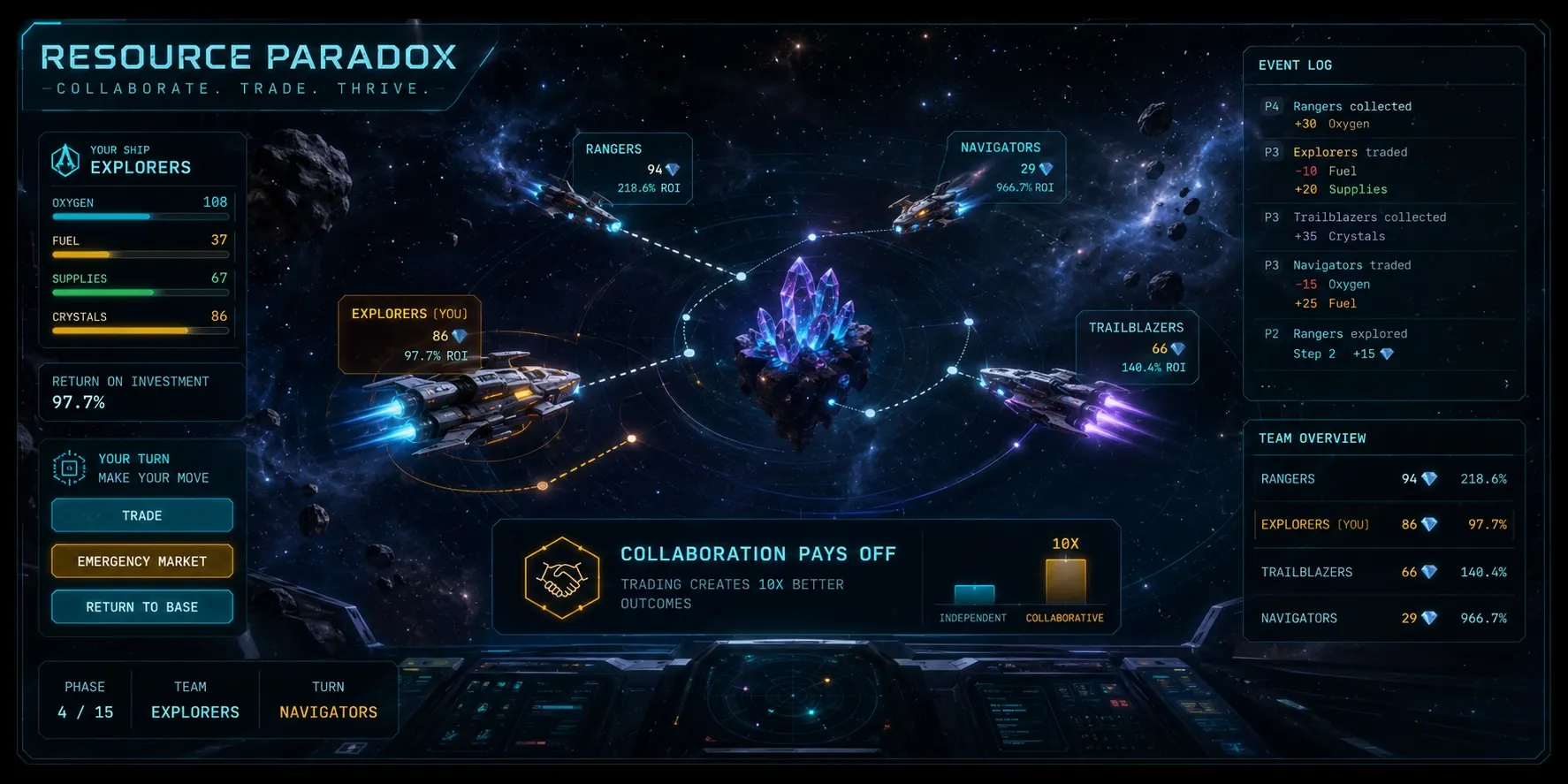
Trade or hoard. Every cycle, your team decides — and the market remembers.
Resource Paradox runs teams of 2–6 through cycles of turns and trades, with milestones, resupply pods and penalties that reward the teams who read the system, not just their own stockpile.
- Resource Paradox · 2–6 teams · turn and trade cycles · facilitated
Know more →
Simulation · Leadership storytelling
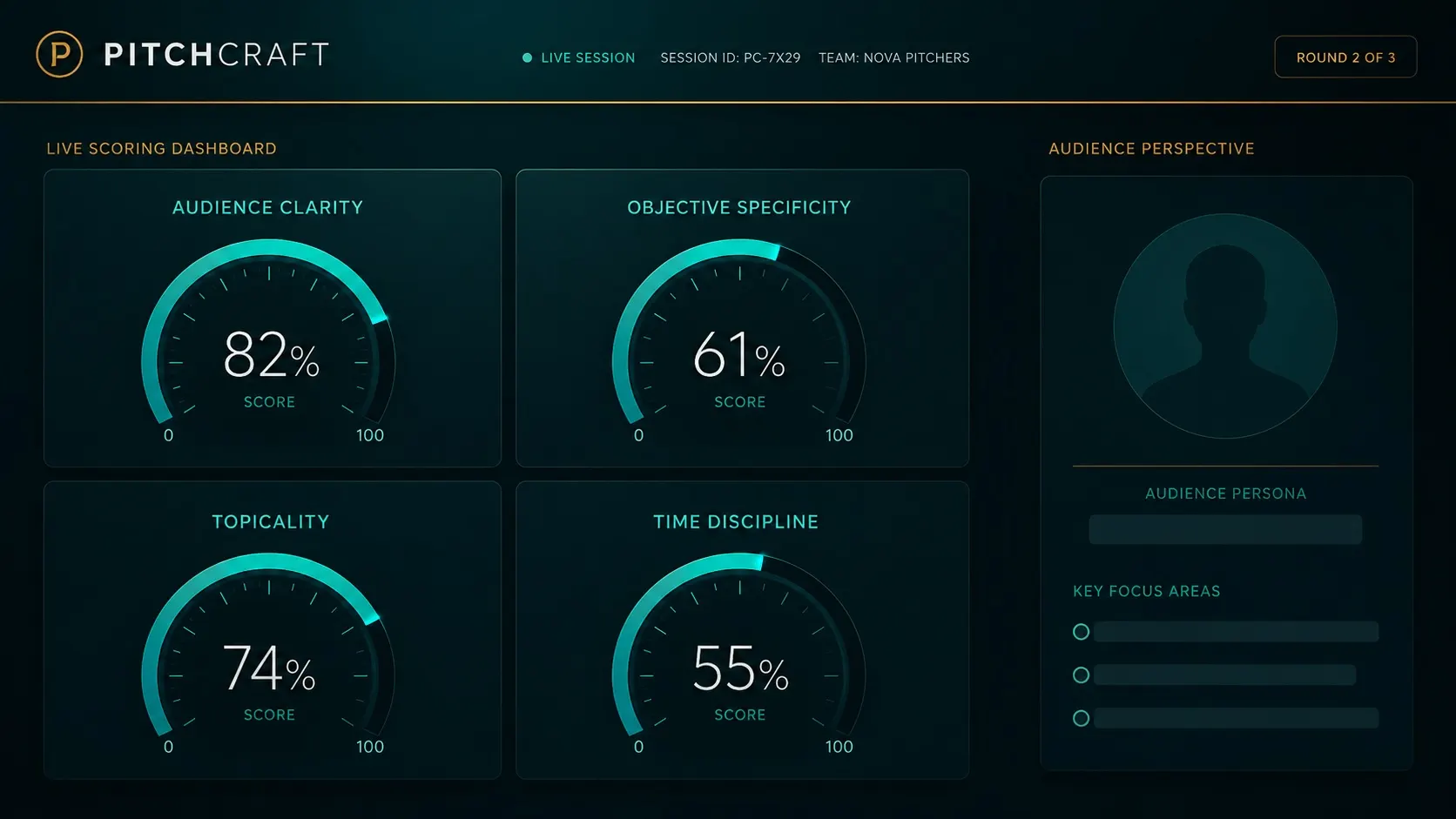
Three stakeholders. Shrinking clock. One story that has to land.
PitchCraft puts teams of 2–10 through three back-to-back stakeholder rounds — pick an archetype, choose your cards, sequence the narrative — each one scored on how well the story actually lands, not just how it sounds in the room.
- PitchCraft · Teams of 2–10 · three stakeholder rounds
Know more →
Simulation · Customer-centricity
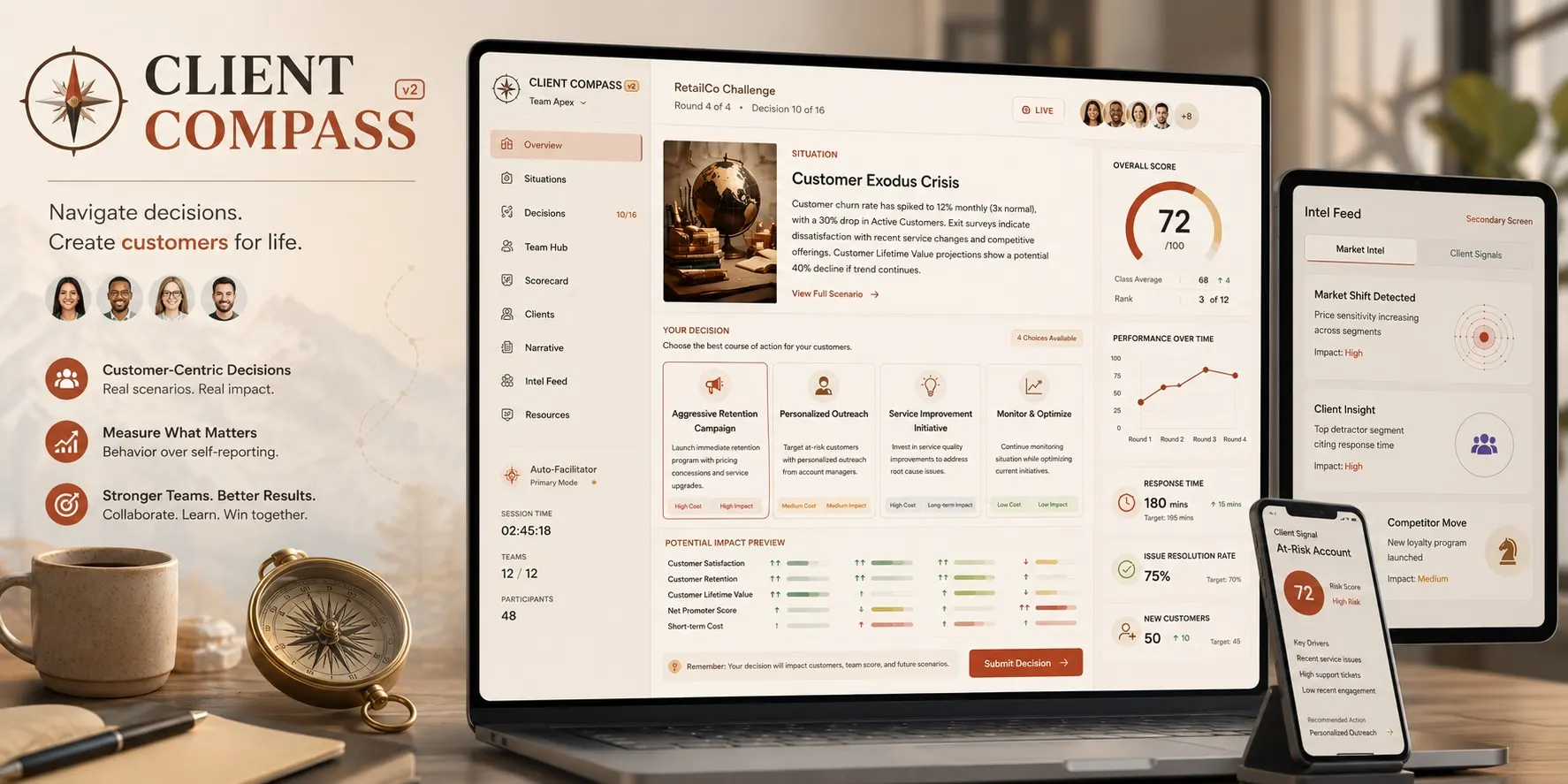
16 decisions. One hidden score. Watch customer-centricity show up in what your team actually does.
Client Compass runs teams of 2–20 through 16 fast decisions in five different formats — sliders, dilemmas, rapid-fire calls — while a hidden customer-centricity index tracks what they chose, not what they'd say in a survey.
- Client Compass · Teams of 2–20 · 16 decisions
Know more →
Simulation · VR team quest
Undoubtedly the world's best communication activity for management teams — disguised as a Virtual Reality Treasure Hunt that takes you around the world.
Executive Quest is a VR team quest across five locations — Hampi, Spain, Abu Dhabi, Venice, and the Great Barrier Reef — where one person explores in the headset while the rest of the team works the room, then everyone hands over and climbs a leaderboard ranked on progress and time, not a raw score.
- Executive Quest · VR · five locations · facilitated
Know more →
Simulation · Coffee market trading
Read the signals. Spend your tokens wisely. Sequence the winning play.
Market Sense runs teams through three coffee market rounds — buying signals, intelligence cards and coaching with a shared token economy — then a live final round where captains sequence their best cards for the win. No fixed clock; most sessions run half a day.
- coffee · VILT · facilitated
- A Latte at Stake · In-person · facilitated
Know more →
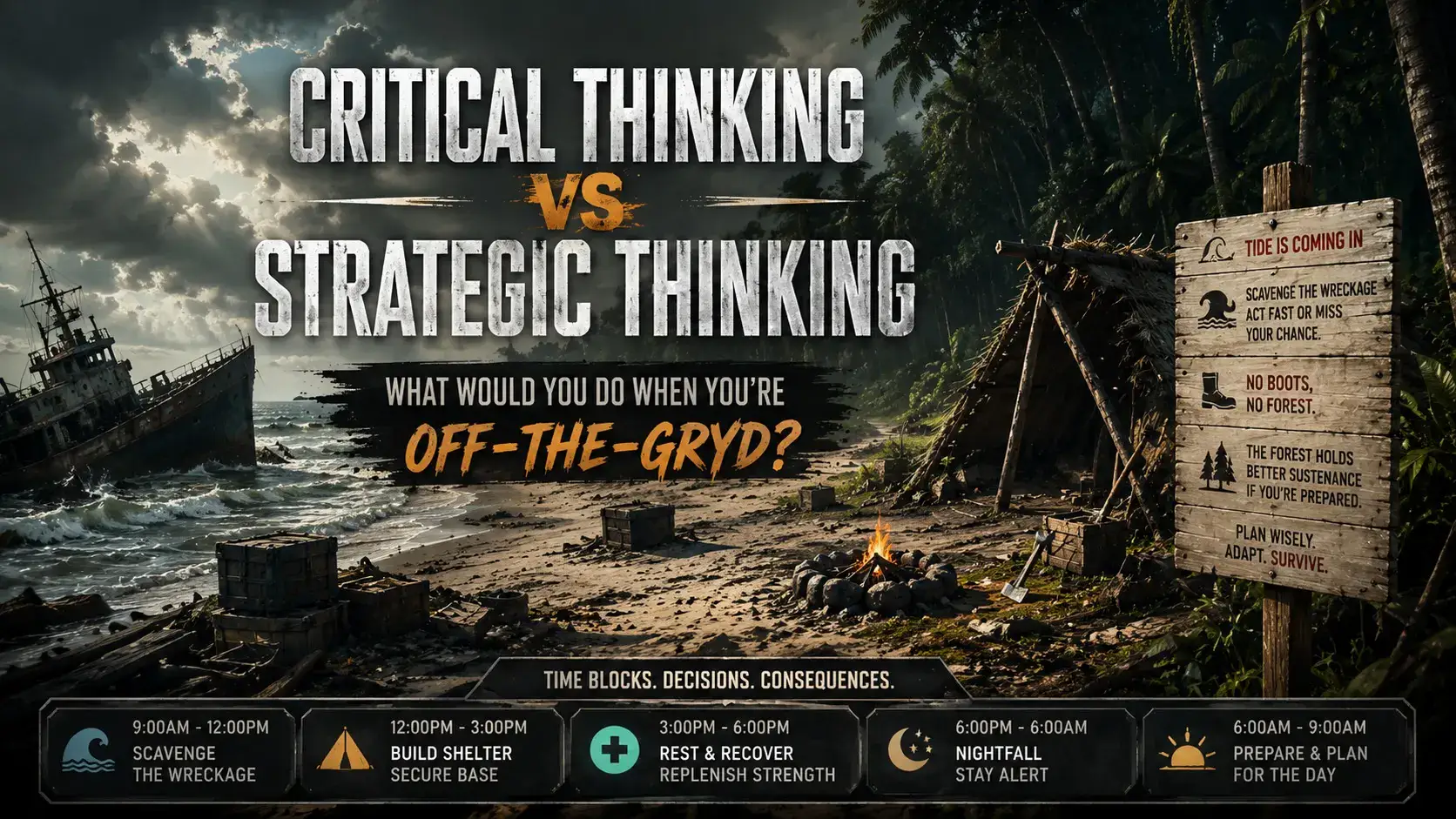
Simulation · Survival decisions
Adrift or on the island — every decision costs something you can see.
Off-the-Gryd is a survival decision simulation with three ways in: a free 10-minute Adrift trial, a ~45-minute solo Island pass, or a ~60-minute team session for 2–12 teams — each one tracking health, energy, supplies and morale as the Thinking Compass reveals how you actually decide under pressure.
- Adrift · ~10 min · solo · free
- Island Survivor (Solo) · ~45 min · solo
- Island Survivor (Team) · ~60 min · 4–6 players
Know more →
Simulation · Stakeholder influence
Four rounds. One Michelin star on the line. Everyone at the table wants something different.
Chasing the Star seats 5 or 6 people per table — founder, chef, investor, franchise, and the customer's voice — through four rounds of rumor, rush, power shift and verdict, spending influence tokens and trust to hold the table together.
- Chasing the Star · ~90 min · 5–6 players · facilitated
Know more →
Simulation · Expo-floor collaboration
10 to 200 people. Dozens of shops. One expo floor, racing the clock together.
Spoiler Alert scales a single generosity-and-commerce simulation from a 10-person room to a 200-person conference floor — cities of shops trading Lugs across 8 timed rounds, each one a Drop, a Huddle, a Deal, and a Lock.
- Spoiler Alert · 60–90 min · 15–200 people
Know more →
Simulation · Difficult conversations
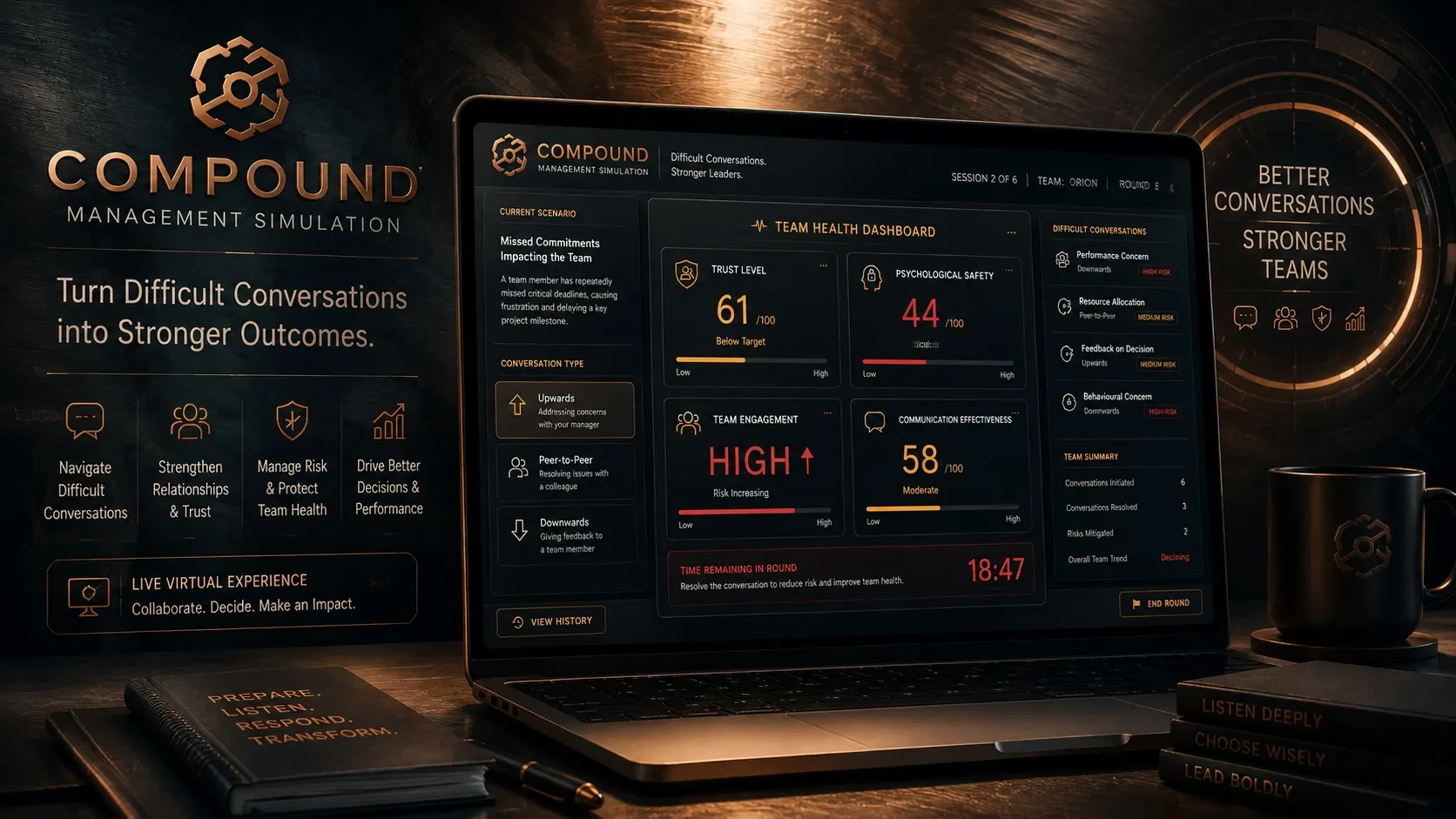
18 decisions. Three quarters. The conversation you keep avoiding finally has consequences.
Compound runs each participant through 18 decisions across three quarters, closing four difficult conversations along the way — and scores not just what you decided, but how you closed the loop: co-created, unresolved, compliant, or ruptured.
- Compound · 18 decisions · three quarters
Know more →
Simulation · Grow the company
You've run a department. Can you grow a company?
Burn Rate puts leaders, founders, and entrepreneurs in the founder's seat — cash, competitors, disruption, and a P&L that punishes the wrong bet. One live session. No rollback.
- Burn Rate · 90–100 min · 5–25 teams
- Burn Rate: Founder Mode · ~15 min · solo · code-gated
Know more →
Facilitator tool · Live audience response
One phone. Every screen in the room. Live answers, no accounts.
Audience Debrief turns any room into a live poll — word clouds, forced choices, spectrum sliders, open text — controlled from a facilitator's phone with a PIN, displayed on the big screen, no participant accounts required.
- Audience Debrief · Phone remote · projector display
Know more →
Facilitator tool · Programme orchestration
One programme. Six modules. A cohort you can actually track.
Flightpath is the shell that runs a leadership programme end to end — cohorts, bulk participant codes, module assignment across six simulations, and a scored index on six real dimensions, with a client view that shares the aggregate without exposing individuals.
- Flightpath · Cohorts · six simulation modules
Know more →